
)
)
)
)
)

Remote Valve Control Cables Explained: Reliable OEM Replacement Solutions for Industrial Valve Systems
In many industrial and mobile equipment systems, the difference between smooth, predictable operation and frustrating downtime often comes down to a single component: the cable connecting an operator's control to a remote-mounted valve. Remote Valve Control (RVC) cables are designed to do exactly that, transmitting mechanical movement accurately over distance so that valves can be operated reliably from a central control point.
At Multiflex Australia, RVC cables form part of an expanding industrial product range, supporting hydraulic and pneumatic valve control across transport, agriculture, mining, construction and earthmoving applications. Multiflex Australia supplies a range of RVC cables engineered as direct OEM replacements, giving operators and maintenance teams a dependable, Australian-assembled alternative when an original cable wears out or fails.
What Is a Remote Valve Control Cable?
A Remote Valve Control cable is a mechanical push-pull cable that connects an operator-facing control lever or handle to a remotely mounted hydraulic or pneumatic valve. Rather than requiring an operator to physically reach a valve, often mounted in an inaccessible or hazardous location on a vehicle or piece of machinery, an RVC cable allows the valve to be actuated from a safer, more convenient position.
These cables are built to handle repeated actuation under demanding conditions, transmitting precise movement from the control end to the valve end without excessive flex, backlash or wear. The hub fitting at each end of the cable, whether clamp, bulkhead or universal, determines how the cable connects to the control lever and the valve itself, and different hub configurations exist to suit different mounting arrangements.
Why Hub Configuration Matters
Not all RVC cables are interchangeable, even within the same broader hub system. A cable's hub type at each end needs to match the mounting points on both the control lever and the valve actuator, so getting the right configuration matters as much as getting the right length or travel.
Multiflex Australia's RVC range includes cables suited to several common hub configurations:
- Clamp hub cables, which secure to a mounting bracket using a clamp fitting
- Bulkhead hub cables, which pass through a panel or bulkhead mounting point
- Universal hub cables, designed to suit a broader range of mounting arrangements
- Ball type cables, fitted with a ball-style connection for applications requiring that specific interface
Selecting the correct hub configuration for both ends of the cable is essential to ensure a straightforward installation and reliable long-term operation.
OEM Replacement: What These Cables Suit
One of the most important roles RVC cables play is as a direct replacement for original equipment manufacturer (OEM) cables that have reached the end of their service life. Sourcing a genuine OEM replacement can be slow, expensive or simply unavailable for older equipment, which is why having a dependable equivalent cable matters to fleet operators, distributors and maintenance teams alike.
Multiflex Australia's RVC range is designed to suit the XVL-900 and XVL920 remote valve control hub systems, and is manufactured as a direct replacement for several well-known OEM cable part numbers, including:
- Morse 206365 (clamp hub configuration)
- Morse 206366 (bulkhead hub configuration)
- Morse 292959 (universal hub configuration)
- Morse 294802 (ball type configuration, also compatible with Nimco control cables)
- Morse 191638 (universal/bulkhead configuration)
- Cross 191636 (universal, both ends)
Because each of these cables replaces a specific OEM part rather than a single generic design, matching the correct item against the original cable's part number, hub style or system is an important first step before ordering a replacement. Our range is also compatible with a number of competitor RVC cables, giving customers additional flexibility when sourcing parts.
Industries We Service
Remote Valve Control cables are relied upon across a wide range of sectors where hydraulic or pneumatic valves need to be operated safely and accurately from a remote position.
Transport and Trucking
Commercial vehicles often use remote valve controls for tipper bodies, tail lifts and other hydraulically actuated systems, where a reliable cable connection between the cab and the valve is essential for safe, everyday operation.
Agriculture
Farm machinery frequently relies on remote-mounted valves to control hydraulic functions such as implement lifts, tipping trailers and auxiliary attachments, often in dusty, vibration-heavy conditions that demand a durable cable solution.
Earthmoving and Construction
Excavators, loaders and other heavy machinery use remote valve controls to manage auxiliary hydraulic circuits, where consistent, fatigue-free actuation is important for both productivity and operator safety.
Mining
Mining equipment operates in some of the toughest conditions in any industry, and RVC cables used in this sector need to maintain accurate operation despite dust, vibration and heavy-duty use cycles.
Multiflex Australia's industrial product range supports many of these sectors with both standard and made-to-order cable solutions, assembled locally in Australia to suit local operating conditions.
Why Cable Quality and the Right Match Matter
A worn, mismatched or poor-quality RVC cable can lead to a range of operational problems, including:
- Excessive play or backlash at the valve end
- Inconsistent or delayed valve actuation
- Increased operator effort and fatigue
- Premature cable failure under repeated use
- Unplanned equipment downtime
In industries where machinery uptime directly affects productivity, a failed remote valve control cable can have an outsized impact relative to its size and cost. Choosing a cable that's correctly matched to both the hub configuration and the OEM part it's replacing helps avoid these issues and keeps equipment running as intended.
Choosing the Right Remote Valve Control Cable
When selecting an RVC cable, it helps to confirm:
- The hub configuration required at each end (clamp, bulkhead, universal or ball type)
- The OEM part number being replaced, where known
- The hub system the cable needs to suit, such as XVL-900 or XVL920
- Any compatibility requirements with existing or competitor RVC cables already in use
The team at Multiflex Australia can assist customers in identifying the correct RVC cable for their application, including matching a worn original cable to the appropriate replacement part.
Supporting Reliable Valve Control Across Australian Industry
Remote Valve Control cables may not be the most visible component on a piece of machinery, but their role in safe, accurate and convenient valve operation is significant. With a range of cables engineered as direct replacements for Morse, Cross and Nimco parts, Multiflex Australia continues to supply dependable RVC solutions designed for real-world Australian operating conditions across transport, agriculture, mining, construction and earthmoving applications.
To find the right Remote Valve Control cable for your equipment, browse our full range or get in touch with our team for assistance matching your existing cable or OEM part number.
 "Morse Cables: The Name You Know, The Expertise You Can Rely On")
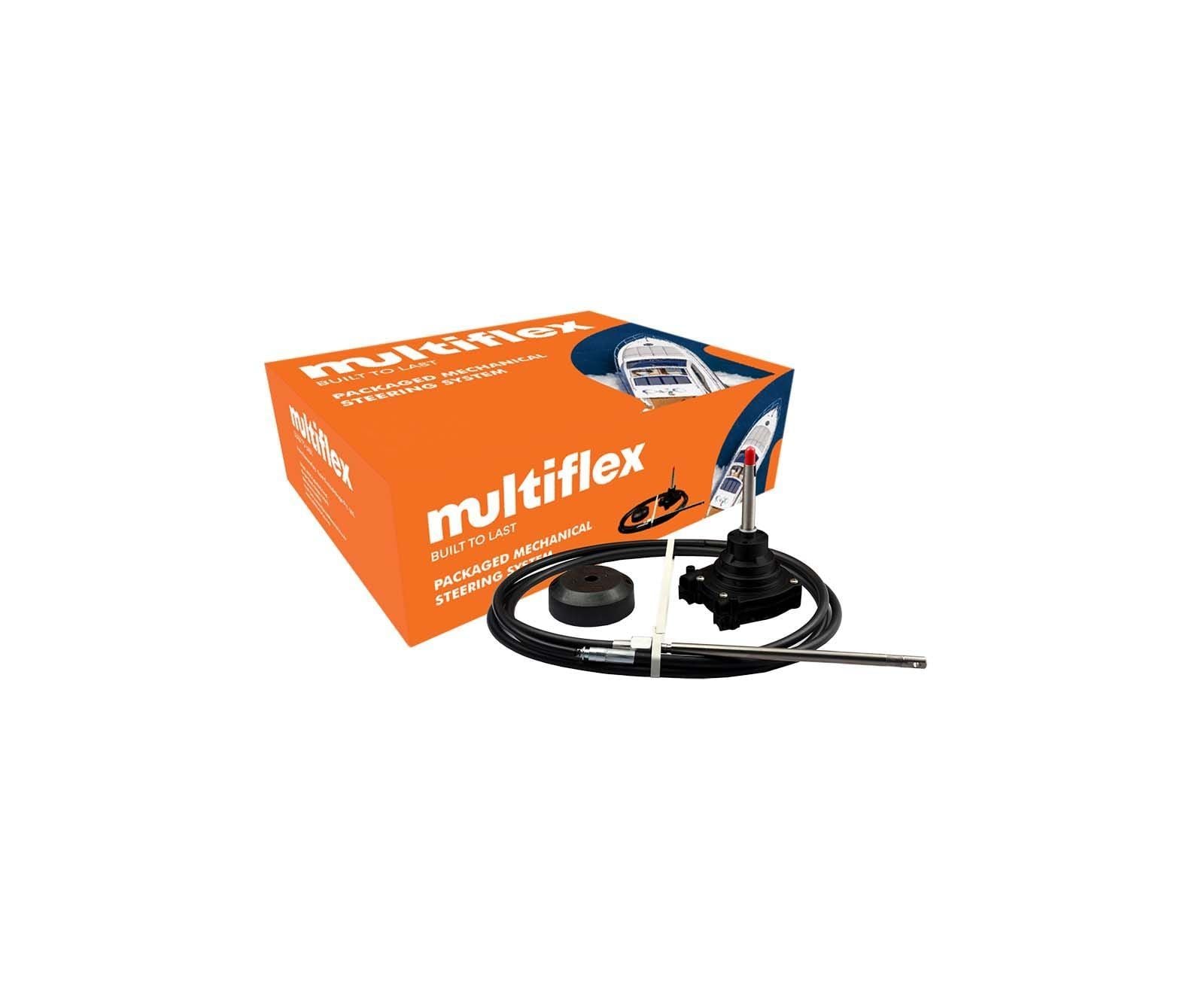 "Why Mechanical Steering Still Rules the Water")
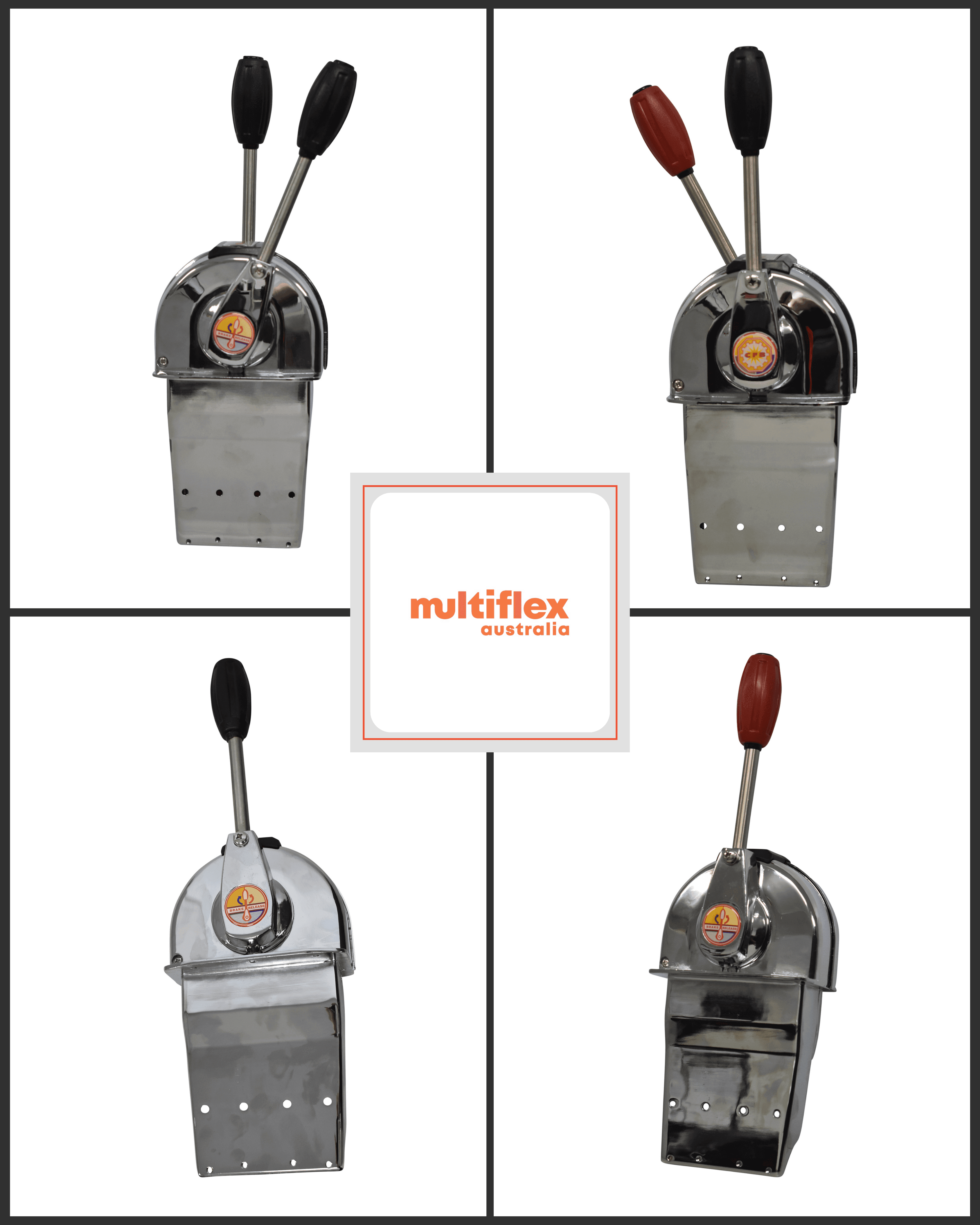 "The Complete Guide to IM Series Industrial Mechanical Controls: Built for Rugged Australian Industries")